What Is a Dynamic Mic?
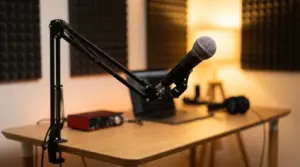
A dynamic microphone uses a moving coil and diaphragm to convert sound into an electrical signal. Most dynamic mics do not need phantom power, which simplifies setup in any recording environment. They are common for live vocals, snare drums, guitar cabinets, and speech in less controlled rooms. They usually handle loud sources well and can be more forgiving of rough handling than condensers. For anyone wondering what is a dynamic microphone best used for, it excels at high-volume sources in untreated spaces where condensers would overload. Brands such as Shure remain go-to references for dynamic mic models and practical guidance.
How Does a Dynamic Mic Work?
Sound waves strike the diaphragm, a thin membrane firmly attached to a small, lightweight coil of fine wire. This coil sits inside the gap of a permanent magnet.
When sound pressure moves the diaphragm, the coil travels back and forth through the magnetic field. That motion generates a small electrical current, which flows out through the mic’s output connection as a usable audio signal.
Because the diaphragm and coil carry more mass than a condenser‘s, a dynamic mic responds more slowly to fast transients. This slower response makes it more tolerant of loud sources and handling noise, which suits less controlled recording spaces and live use well.
Where Does a Dynamic Mic Fit Best?
Now that you know what is a dynamic microphone, the real question is where it performs best. These mics shine on loud sources and in untreated rooms, as Shure has demonstrated for decades across live stages and home studios.
| Use Case | Why It Fits | What to Watch |
|---|---|---|
| Lead vocals | Handles high SPL and stage noise | Roll off bass with proximity effect |
| Snare drum | Captures sharp attack at close range | Position to avoid hi-hat bleed |
| Guitar cabs | Tames harsh highs from loud speakers | Angle slightly to reduce fizz |
| Spoken word | Rejects room noise for clear dialog | Keep distance consistent for level |
Which Dynamic Mic Specs Matter?
A few specs tell you whether a dynamic mic suits your setup. Focus on how the mic picks up sound, how much signal it sends, and how well it rejects handling noise.
| Spec | What to Look For |
|---|---|
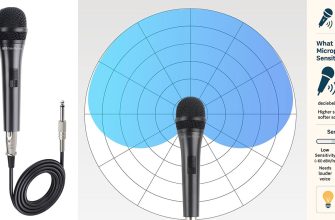
| Polar pattern | Most dynamic mics use cardioid pickup to reject rear sound |
| Sensitivity | Typically lower than condensers, so expect to add gain |
| Output level | Low output may require a preamp with enough clean gain |
| Handling noise | Dynamic mics resist handling noise better than most condensers |
You can compare these specs across models on manufacturer pages. Sennheiser publishes polar pattern and sensitivity figures for each dynamic mic they list, which helps you judge fit before buying.

How Do You Set One Up Cleanly?
A few simple steps keep your dynamic mic recordings clean and clear. Sweetwater’s setup guides cover these basics in depth for any home studio user.
- Position the mic one to three inches from the source for a strong signal and less room noise.
- Set your interface gain so the loudest peaks stay below clipping while keeping the noise floor low.
- Angle the mic slightly off-axis from the sound source to reduce plosives and unwanted background bleed.
- Listen back for popping sounds and room reflections, then adjust distance or add a foam windscreen.
Once you understand what is a dynamic microphone, these four simple steps help you capture clean, reliable takes every time you press record in your studio.